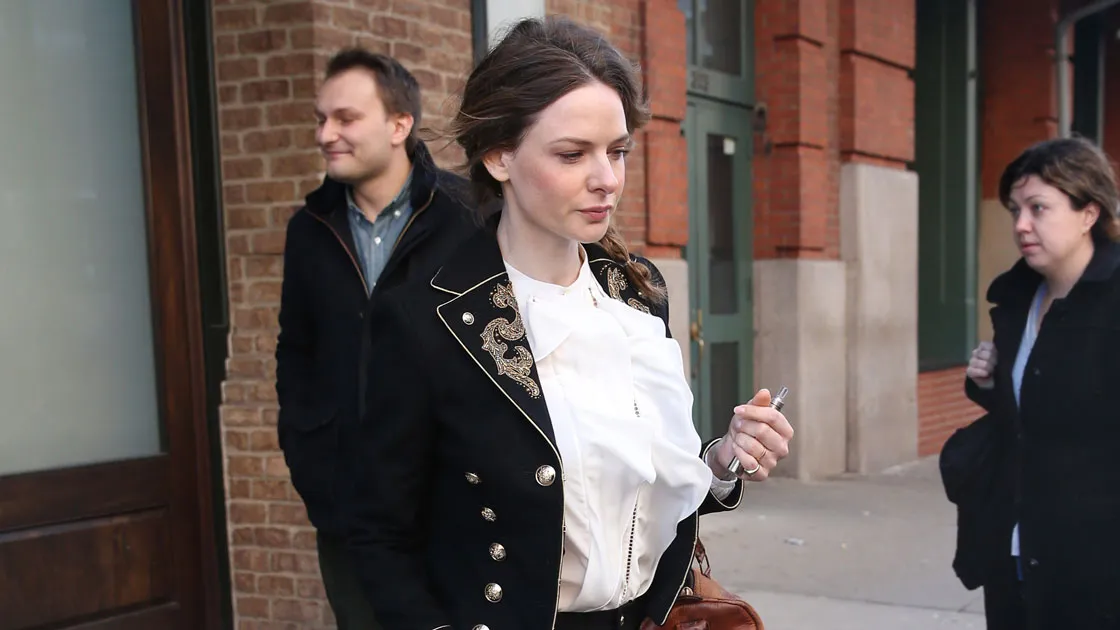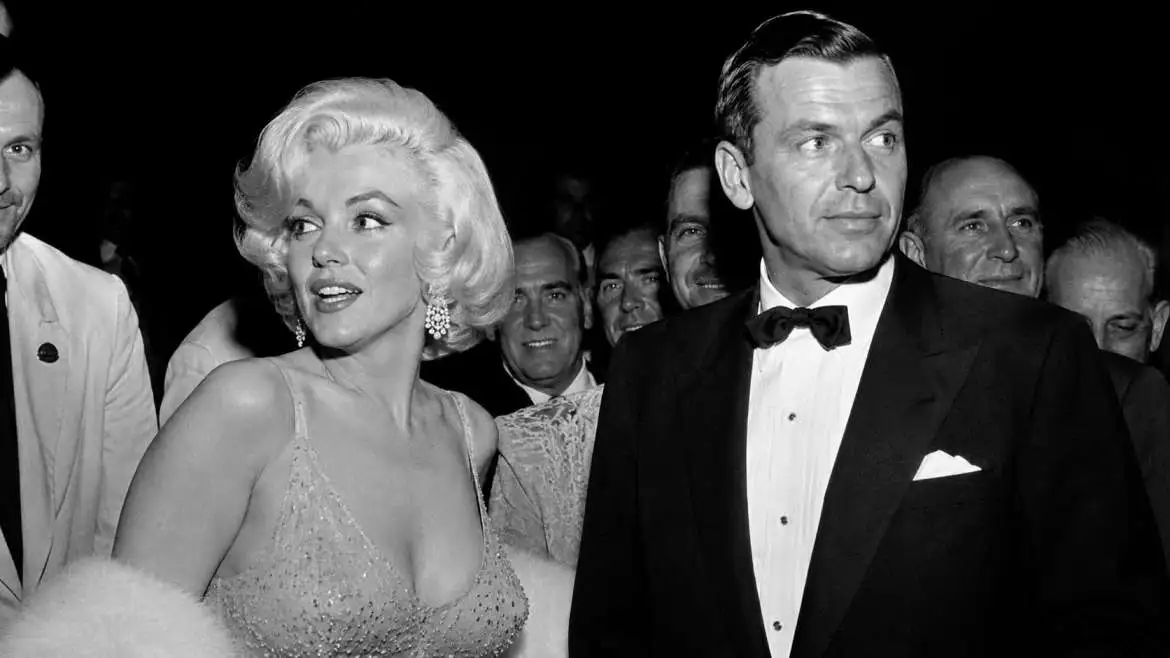
Listen, real vintage celebrity photos aren't just some random pixels on your phone screen. We are talking about actual physical prints, darkroom negatives, or rugged newsroom wire snapshots of famous stars made way back between the 1920s and the 1980s. People go absolutely nuts for these rare pieces of history. Some use them to spice up a boring living room wall, others just love the nostalgia trip, and a few smart folks use them to hide away investment cash.
You can still dig up authentic prints if you know where to look—think high-end art galleries, local estate sales, dusty antique auctions, or even hunting through eBay and Etsy. Want a quick trick to spot a cheap fake print? Flip the thing over immediately. You want to see old purple ink stamps and messy glued-on newspaper captions and feel that heavy, thick cardstock weight you only get from real silver gelatin paper.
Why Do Old Hollywood Pictures Captivate Us Today?
Look, let's be real. Flipping through old pictures is just addictive. There is this crazy charm to a grainy, slightly scratched up black-and-white photo of an old-school movie star. Today? Our smartphones make every single snap look way too clean, way too perfect. Honestly, it gets a bit boring. Photographers back then had to actually wrestle with temperamental rolls of physical film. That old process trapped harsh light, messy shadows, and raw human moods in a way a digital screen simply can't copy.
I have spent fifteen long years hunting down old entertainment media. While working directly inside archive galleries, I have held actual, original prints of Marilyn Monroe and Audrey Hepburn. The thick, heavy cardstock and the deep ink tell a true story. You can literally feel the weight of old-school history right in your own hands.
These pictures show us a world before social media took over everything. Stars didn't post boring daily selfies from their beds. They only showed up in carefully planned studio shoots or sudden, candid street moments. That setup kept everyone guessing. It gave off a mystery vibe that you just don't see on your social media feeds anymore.
You may also read :- Celebrity Fashion Style Trends: Get the Latest Celebrity Looks
The Value of Vintage Celebrity Photos in the Modern World

Not all old pictures are equal. A smart collector hunts for tiny, specific details before handing over any cash. The exact age of the paper, the star in the shot, and the condition of the edges change the price tag instantly. A truly rare piece can easily pull in thousands of bucks at a major auction house.
Understanding Original Type 1 Prints
An original print comes straight out of the photographer's camera negative. News experts and collectors call these "Type 1" photos. They hold the highest value on the market because someone printed them right after the camera shutter clicked.
"An original Type 1 photograph captures the true intent of the artist. It holds a piece of history that a modern reprint can never match." — Sarah Jenkins, Archive Gallery Curator
If you find a print made years down the road from that same negative, it becomes a Type 2 or Type 3. Those are still neat to look at, but they never pull in the big-dollar prices of a true Type 1.
The Historical Appeal of Wire Photos
Old newsrooms used wire photos to blast images across the country using telegraph lines. They look a bit rough compared to clean studio portraits. They usually have typed paper captions glued right onto the back. They also sport messy, faded ink stamps from old newspapers.
Collectors absolutely love these wire shots. Why? Because those messy stamps prove the exact day, month, and year the image hit the public eye. It is living proof of a real historical moment.
How to Verify Authentic Vintage Celebrity Photos?
You have to guard your wallet from online scammers the second you get into this hobby. The internet is totally flooded with cheap, worthless reprints that look old but carry zero actual historical value. Luckily, you don't need a lab—you can use a few quick, hands-on tests to check your prints right at your kitchen table.
Look for original photographer stamps.
Turn the picture over immediately. The front gives you the art, but the back holds the real truth. Look for blue or black ink stamps with the name of the photographer or the old media agency.
You want to see names like Paramount Pictures, Metro-Goldwyn-Mayer, or famous camera masters like George Hurrell. If the back is completely blank, stark white, and shiny, start asking questions.
Examine the Paper Type and Weight
Older pictures do not use the thin paper found in modern home printers. Hold the paper up to a warm light bulb. Vintage silver gelatin prints have a thick, heavy cardstock feel to them.
They also show a cool, metallic shine in the deep, dark shadow parts of the image. Modern digital prints look totally flat from every single angle. If it looks like it came out of an office copier, walk away.
Watch for Natural Aging Clues
True vintage paper ages slowly over decades. Look for soft, natural yellowing on the borders and across the back of the print. You should also look for tiny, spiderweb cracks in the shiny top layer of the image.
Scammers try to fake this look by dipping new paper into warm tea or coffee. But a real collector can smell the difference right away. True old paper smells like an old library book, not a kitchen counter.
Where to Buy Historical Star Portraits Safely
Finding a safe place to shop drops your risk of buying junk down to zero. Always hunt for sellers who offer a clear, ironclad cash-back guarantee if an item turns out fake.
- Specialty Auction Houses: Big names like Heritage Auctions handle top-tier, verified pieces. You pay more, but you sleep well knowing experts checked the paper.
- Online Marketplaces: Places like eBay and Etsy have massive piles of listings. You can find great deals, but you must read the seller's feedback scores like a hawk.
- Estate Sales: Local sales in old, historic neighborhoods can turn up hidden collections from lifelong fans. Look in old boxes in the attic.
- Antique Shops: Brick-and-mortar stores let you hold the physical paper in your hands before you part with your cash.
Popular Eras for Retro Celebrity Photography
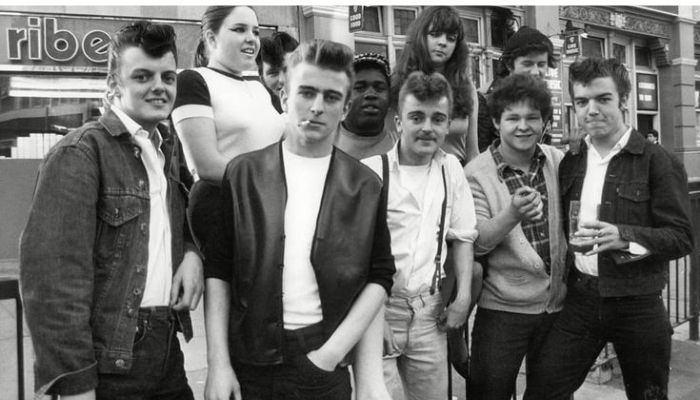
Different decades offer completely different camera styles and vibes. You might love the sharp drama of the 1930s or the loud, wild color energy of the 1970s.
The Golden Age of Cinema (1930s - 1940s)
Photographers back then loved dramatic, heavy shadows. They used massive studio lights to make actors look like literal gods and goddesses. They shot on large-format cameras that caught every single thread of fabric and hair line.
The Mid-Century Pop Movement (1950s - 1960s)
This era smashed the rigid studio rules. Musicians like Elvis Presley and rebels like James Dean appeared in casual, everyday settings. Candid street shots and raw backstage pictures became the new hot trend.
The Rock and Gloss Era (1970s - 1980s)
Color photography became the cheap, easy standard during these years. Pictures caught the wild, flashing energy of rock concerts and VIP nightclubs. The images feel fast, sweaty, and alive.
How to Display and Protect Your Antique Pop Culture Images
Harsh light, moisture, and summer heat can destroy old paper in a flash. You must store your growing collection the right way if you want it to keep its market value.
Never use cheap cardboard boxes or generic plastic sleeves from the grocery store. Cheap plastic leaks chemicals that turn old paper yellow and brittle. Spend a few bucks on acid-free backing boards and archival-safe plastic protectors.
Keep your art out of direct sunlight. Ultraviolet rays eat ink for breakfast. Hang your frames on walls that stay dark during the afternoon. If you want to put a rare print in a bright room, buy UV-filtering glass for your frame.
The Investment Potential of Rare Hollywood Memorabilia
A lot of people buy these pictures simply because they love the old movies. But others buy them to build a real financial portfolio. The market for verified entertainment history grows tighter every year because old items disappear into museums.
| Era of Print | Top Collected Subjects | Average Rarity Rating |
| 1930s | Humphrey Bogart, Joan Crawford | Very High |
| 1950s | Marilyn Monroe, James Dean | High |
| 1970s | David Bowie, Farrah Fawcett | Medium |
If you buy cheap modern reprints, you will never see a financial return. Focus your money on limited pieces, signed items, and shots with a clear paper trail. A documented chain of past owners boosts your resale value significantly.
Final Thoughts on Collecting the Past
Starting your own collection of vintage celebrity photos connects you right to the roots of modern pop culture. Every single print carries its own secret story from a darkroom into your living room. Focus on finding quality paper, verify the stamps on the back, and shield your items from the sun to enjoy them for years to come.
Frequently Asked Questions
What is the difference between an original photo and a reprint?
An original print dates right back to the actual era when the photographer took the shot. A reprint is just a modern copy made from a digital scan or a web file last week. Reprints have zero value to serious collectors.
How can I tell if a signature on an old photo is real?
Real ink sits right on top of the shiny paper surface. You can see the ink ridge lift up slightly if you look at the signature from a side angle under a lamp. Printed signatures look totally flat and blend right into the photo itself.
Does surface damage ruin the value of an old celebrity picture?
Heavy damage like a giant rip across a star's face will drop the price into the floor. But minor wear on the sharp corners or light yellowing on the back is totally normal for eighty-year-old paper. It rarely hurts the price.
Can I clean a dirty vintage print at home?
Never use water, glass spray, or household cleaning chemicals on old film prints. You will wipe the image layer right off the paper. Use a soft, bone-dry anti-static brush to sweep away dust particles gently.
Why do so many old promotional pictures miss a photographer's name?
Old movie studios owned the legal rights to almost every promotional image during the Golden Age. They stamped their big studio logo on the back instead of giving credit to the actual person behind the lens.